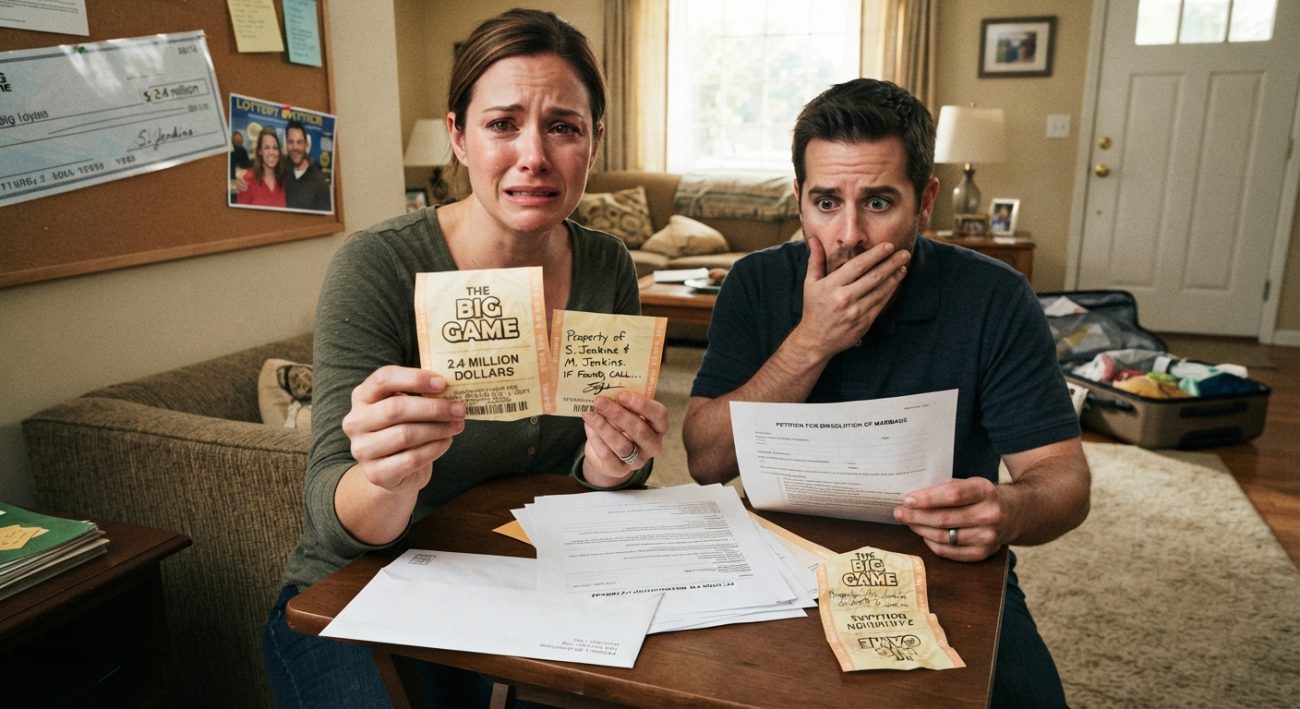
Emily was quiet for a long moment after I finished explaining. I could hear her breathing through the phone, and I wondered whether she was trying to decide what to believe. I didn’t blame her for being confused. Gary was her father, and she had spent her entire life believing that he would always be honest with her. It was painful to realize that the person who had hurt me was now putting her in the position of questioning both parents. I told her I wasn’t asking her to take my side simply because I was her mother. I was asking her to look at the evidence before deciding what had happened. I explained that the records were available to the appropriate investigators and that I was following the legal process. I also told her that I loved her and didn’t want the dispute to damage our relationship. Emily eventually said she needed time to think. I told her that was fair. When we ended the call, I sat quietly for a while. I had spent years trying to keep the family together, often by swallowing my own feelings. I had believed that protecting Gary’s reputation was part of protecting our children. But I was beginning to see that silence could also protect dishonesty. Emily deserved to know that the situation was more complicated than her father had described. She deserved to make her own decisions based on the truth. I wasn’t going to force her to reject him, but I wasn’t going to lie to protect him either.
The financial investigation continued, and the records revealed more than I had initially expected. Mr. Harris and the financial professionals reviewing the documents compared the transfers from our joint accounts with the account statements Gary had provided. They examined the dates, the amounts, and the descriptions attached to the transactions. Some transfers appeared to have been made gradually, making them less noticeable when viewed individually. But when the records were organized chronologically, a pattern emerged. Money had been moved from accounts we both used into an account controlled by Gary. The investigation also examined whether the transfers had been disclosed during the divorce process and whether the money represented marital assets. I learned that the legal treatment of each transaction could depend on its source and timing. Some funds might be considered shared property, while others could require a different analysis. I didn’t pretend to understand every financial detail, but Mr. Harris explained the important findings to me. He wanted to make sure that nothing was overlooked and that the final settlement reflected the full financial picture. I was grateful for his careful approach. The lottery prize had drawn attention, but the hidden transfers were just as important to me. Even if the ticket dispute had never happened, I would have wanted to know where our money had gone. Gary had made decisions that affected both of us while keeping me in the dark. I deserved an accurate accounting of what had happened to our shared finances.
As the months passed, the legal proceedings became increasingly complicated. Gary’s side continued challenging my ownership claim, while my attorney presented the records supporting my account. The lottery office reviewed the signature, the purchase history, and the information provided by the gas station. Carol’s account became part of the evidence being considered, along with the available purchase records and the timeline of Gary’s actions. The office had to follow its procedures before making a final decision, and there were periods when I heard nothing for weeks. Waiting was difficult. Every time the telephone rang, I wondered whether there had been a development. Every letter that arrived made my stomach tighten. I tried to keep my daily routine, but it wasn’t easy. I would wake up thinking about the ticket and go to sleep wondering whether Gary had found another way to challenge my claim. Sometimes I felt angry. Other times I felt exhausted. I had never wanted a life defined by legal documents and financial investigations. I had wanted a peaceful marriage and a secure future. But I couldn’t undo what Gary had done, so I focused on the things I could control. I kept my records organized, attended meetings with Mr. Harris, and followed his advice. I avoided arguments with Gary and refused to let his accusations pull me into emotional conversations that went nowhere. I also began spending more time with people who reminded me that my life was larger than the dispute. A neighbor invited me for coffee, and a friend encouraged me to return to a book club I had stopped attending. Those small moments helped me remember who I was outside my marriage.
One afternoon, Emily came to visit. She looked tired, and I could tell she had been thinking about our conversation. We sat at the kitchen table, the same place where I had first discovered the financial transfers. She asked whether I could show her some of the records. I hesitated because I didn’t want to turn our relationship into a courtroom presentation. But she said she wanted to understand what had happened, not simply hear another argument between her parents. So I showed her copies of the receipts, the notebook entries, and the pages documenting the ticket purchases. I explained the signature and the sentence I had written beneath it. Then I showed her the financial statements that Mr. Harris had asked me to preserve. I didn’t exaggerate or tell her what she had to think. I simply explained what each document showed and what the attorney was investigating. Emily studied the papers for a long time. She looked especially troubled when she saw the letter Gary had written months before the lottery win. I didn’t ask her to read every word, but she wanted to understand why it mattered. I explained that the letter suggested her father had been planning to leave the marriage before the winning ticket appeared. She leaned back in her chair and looked toward the window. “He told me you were making all of this up,” she said quietly. I replied that I knew he had, but I wasn’t going to argue with him through her. I wanted her to have the opportunity to see the evidence herself. Emily didn’t immediately defend me or condemn her father. She simply sat there, processing what she had learned. For the first time, I felt that she was no longer hearing only the story Gary had chosen to tell.
