PART 6 – THE MOMENT THE TRUTH COULD NO LONGER BE IGNORED
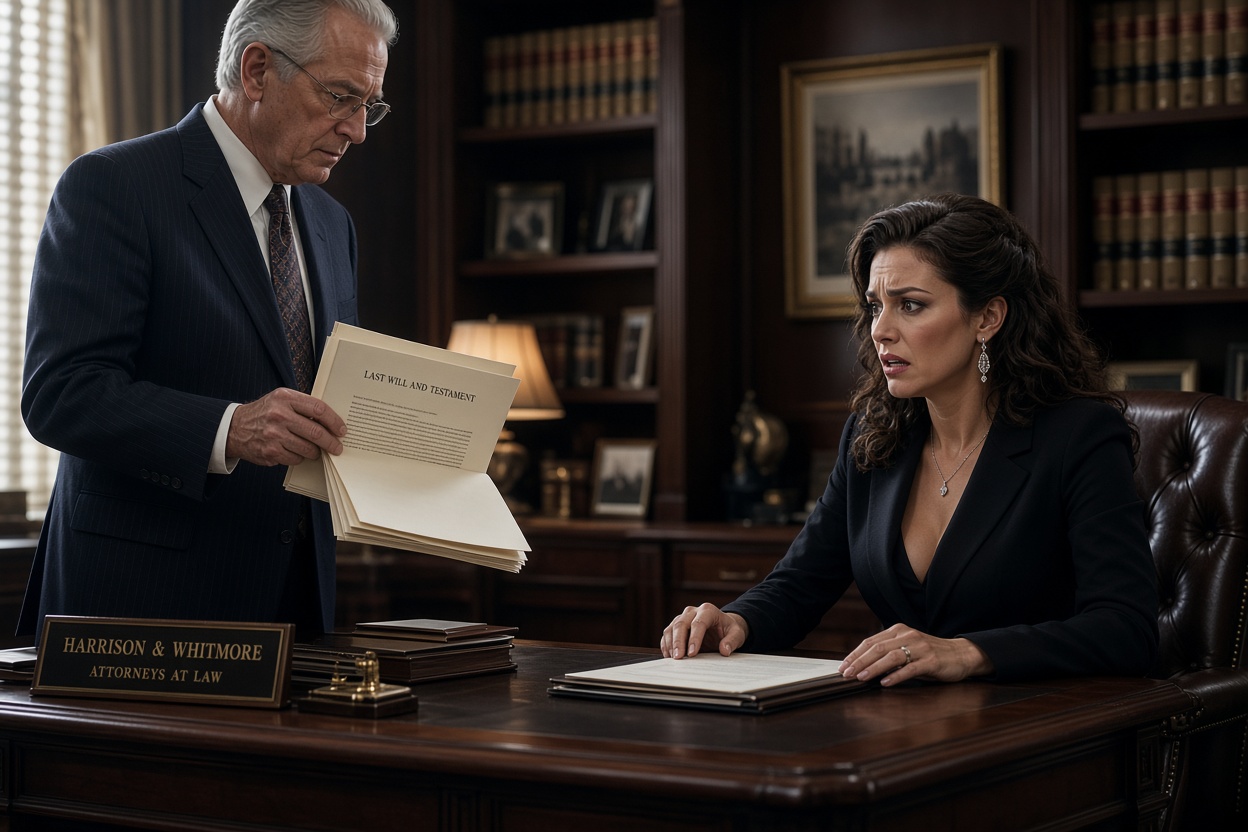
The next major development came when the financial review was completed far enough to identify several transactions requiring formal explanation. Rebecca arranged a meeting with Scott’s legal representative so that the disputed information could be addressed properly. I attended with her, carrying copies of the original documents and the timeline we had prepared. Scott arrived looking confident, but his expression changed when he saw the amount of paperwork on the table. Rebecca began by explaining that we weren’t making assumptions about his intentions. We were asking for clear explanations and supporting records for transactions that had not been adequately disclosed in the proposed settlement. She identified the accounts, dates, and amounts that required clarification. Scott’s attorney reviewed the documents carefully and asked for additional information. Scott interrupted several times, insisting that everything had already been explained. Rebecca remained calm and returned to the specific questions. I sat quietly, watching the man who had once treated my signature as the final word in our marriage struggle to explain why the financial information he had presented was incomplete.
At one point, Scott turned toward me and accused me of making the situation personal. I answered that I had been asking for accurate financial information from the beginning. He said I had always known he managed the money and that I had never complained before. I reminded him that trusting a spouse to manage finances was not the same as giving them permission to withhold relevant information during a divorce. His attorney asked him to let Rebecca finish. The meeting continued, with several items marked for further documentation and review. No dramatic judgment was announced, and no one suddenly declared that I had won everything. Real legal matters rarely work that way. But something important had changed: Scott could no longer rely on my lack of information to control the negotiations. Every disputed figure now had to be examined. Every claim required evidence. I left the meeting feeling exhausted, but I also felt a sense of strength I hadn’t experienced in years.
At home, Scott was furious. He said Rebecca had embarrassed him and that I had deliberately brought unnecessary attention to private matters. I asked why he was so upset about being asked to provide documents. He replied that I knew perfectly well what I was doing. I told him I was simply following my lawyer’s advice. He began listing all the sacrifices he believed he had made during our marriage. He talked about his career, his income, and the times he had paid for major expenses. I listened until he finished. Then I reminded him that I had also sacrificed. I had reduced my working hours when the children were young, postponed opportunities, managed the household, and supported him through difficult periods. I had never considered those things debts he owed me. I had done them because I believed we were building a life together. His response was to say that I was now trying to turn everything into a financial calculation. I shook my head. “You started calculating everything when you decided that you deserved the house, the savings, the cars, and control over the children.” He walked away.
The following weekend, we sat down with the children to explain that the divorce process was continuing. We avoided discussing the financial dispute and focused instead on practical arrangements. I told them that both of us loved them and that the adults were responsible for resolving the disagreements. Scott agreed, although he seemed uncomfortable when our older child asked whether we would still attend school events together. He said we would do our best. I promised that their important occasions would remain important to me, regardless of what happened between their father and me. After the conversation, I went into my bedroom and closed the door. I cried for several minutes, not because I regretted seeking legal advice, but because I wished the situation had been different. I had wanted a marriage that lasted. I had wanted our children to grow up watching two people respect each other even when life became difficult. Accepting that this might not happen was one of the hardest parts of the process. But I also understood that pretending everything was fine would not protect them.
A few days later, Rebecca called to discuss the next stage of negotiations. She explained that Scott’s original proposal could not simply be treated as a final settlement and that the financial issues still needed to be resolved. We discussed property valuations, account disclosures, and possible arrangements for the children. I asked whether there was a way to reach an agreement without endless arguments. Rebecca said that a properly documented settlement was possible if both parties cooperated and provided complete information. I told her that was what I wanted. I wasn’t interested in destroying Scott’s life or making the divorce more painful than necessary. I wanted a fair outcome and a stable future for our children. When I hung up, I looked at the family photograph on my desk. I thought about the years I had spent trying to keep everyone happy, often at the expense of my own needs. I realized that the most important victory would not be watching Scott lose something. It would be rebuilding a life in which I no longer had to be afraid of asking for fairness.
