PART 4 – THE SECRET SCOTT HAD BUILT HIS ENTIRE PLAN AROUND
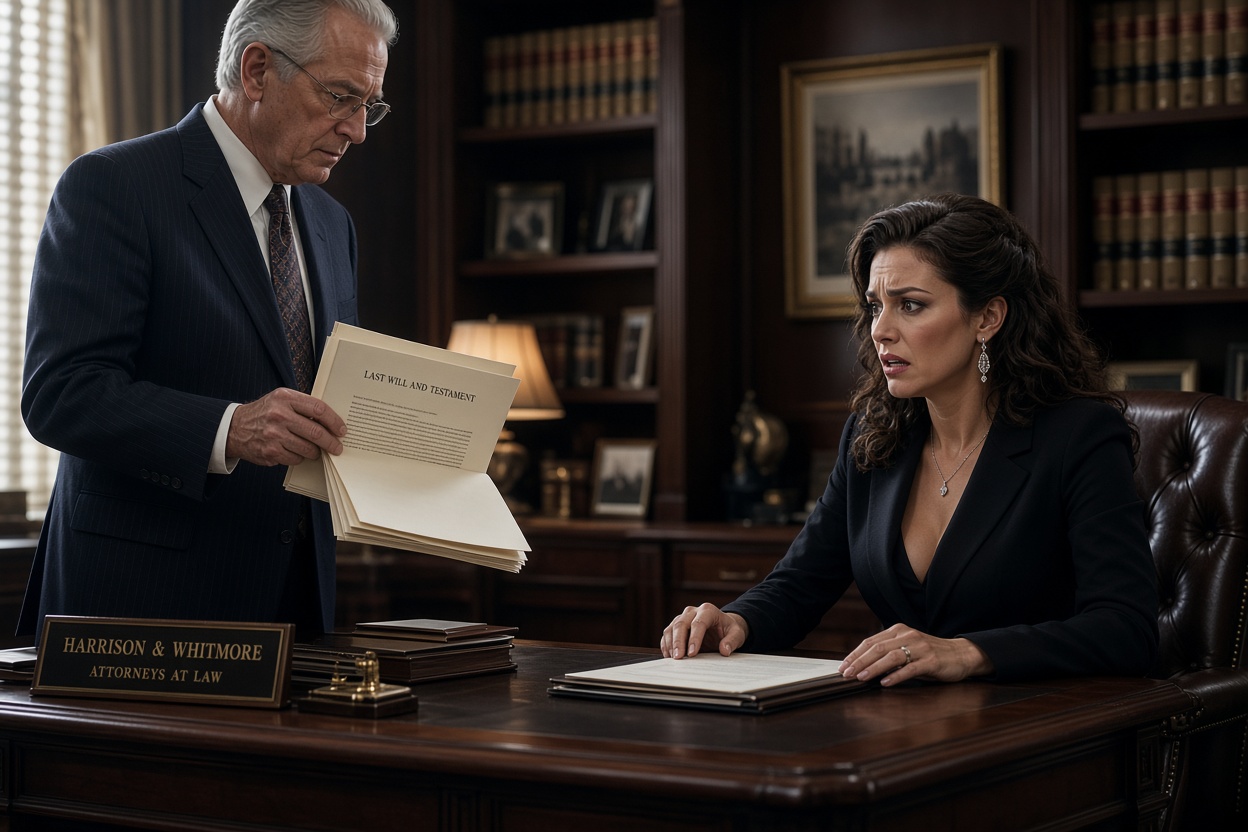
Rebecca’s next meeting with me was different from the previous ones. She had organized the documents into separate folders and prepared a timeline showing the financial transactions that needed further investigation. She explained that several transfers appeared to have occurred shortly before Scott began discussing divorce. Some involved accounts that were not listed in the financial summary he had presented to me. Others concerned payments that seemed inconsistent with the household expenses he had described. Rebecca was careful not to call anything fraud without sufficient evidence, but she made it clear that the information raised serious questions. I asked her why Scott would risk creating such a complicated situation when he could have negotiated a reasonable settlement. She replied that we couldn’t know his motives without more information. However, his decision to present a one-sided agreement while withholding relevant financial details was something we needed to address. She advised me to continue preserving records and let her handle communications with his legal representative. I left the meeting understanding that the divorce was no longer simply about a disagreement over property. It was also about discovering the true financial picture of a marriage I had believed was built on shared responsibility.
When I returned home, Scott was waiting in the living room. He had apparently expected me to tell him where I had been. He asked whether I had met Rebecca again, and I didn’t deny it. His expression changed. “I thought we agreed to keep lawyers out of this.” I reminded him that he had already involved a lawyer when he handed me the divorce papers. He argued that his lawyer was simply preparing the necessary documents, while mine was making everything more complicated. I told him that I was entitled to independent representation. He began pacing across the room, explaining that legal disputes would cost us money that should be saved for the children. I agreed that unnecessary legal expenses should be avoided, but I also pointed out that complete financial disclosure would help prevent unnecessary disputes. He stopped pacing and looked directly at me. “What exactly are you looking for?” I answered, “The truth about our finances.” He laughed, but the sound was forced. “You always think there’s something hidden.” I didn’t respond. I had learned that revealing every concern to Scott simply gave him more opportunities to prepare an explanation.
The following morning, Rebecca contacted Scott’s attorney with a formal request for the financial information needed to evaluate the proposed settlement. She requested supporting statements, information about relevant accounts, details of outstanding liabilities, and documentation relating to the property. She also clarified that my signature on the pages Scott had presented should not be treated as a final agreement to every financial claim he had made. I felt an enormous sense of relief when I heard that. For two weeks, Scott had behaved as though the divorce was already settled. He had celebrated with friends, posted photographs outside our house, and spoken as though I had accepted his demands. But the process was not finished, and his preferred outcome had not become a legal reality simply because he wanted it to. Rebecca explained that any agreement would need to be reviewed in light of the applicable law and the full financial disclosure. She also emphasized that custody decisions would need to focus on the children’s welfare rather than either parent’s desire to win.
Scott’s confidence began disappearing once his attorney received the request. He called me during the afternoon and demanded to know why my lawyer was questioning his financial information. I told him that Rebecca was doing her job. He accused me of deliberately creating problems and threatened to withdraw his original offer. I asked him what he meant by that. He said he could make the situation much more difficult if I continued challenging him. I was surprised by how openly he spoke. For years, I had believed that his controlling behavior was simply part of his personality. Now I was beginning to see how frequently he used intimidation whenever someone questioned his decisions. I told him I wasn’t interested in threats. If he believed his financial information was accurate, he could provide the documents and allow the lawyers to review them. He ended the call abruptly. Later that evening, he barely spoke during dinner. The children sensed his mood and became unusually quiet. I tried to keep the conversation light, asking about school and their upcoming activities. I refused to let his anger become the atmosphere in which they lived.
Two days later, Rebecca received additional financial documents from Scott’s legal representative. They contained information about accounts and transfers that had not been included in the original summary. We began comparing them with the records I had found. Several details required clarification, including the destination of certain funds and the purpose of payments made before the divorce discussions began. Rebecca told me that we needed to be methodical. I agreed. I didn’t want revenge or a dramatic confrontation. I wanted a complete understanding of what had happened and a fair resolution. That evening, I stood in the kitchen looking at the counter where Scott had first placed the divorce papers. I remembered how he had watched me sign, waiting for me to fall apart. He had believed my silence meant I was powerless. But I had never been powerless. I had simply spent years trying to preserve a marriage by avoiding conflict. Now that the marriage was ending, I was finally learning that protecting my family sometimes meant refusing to remain silent.
