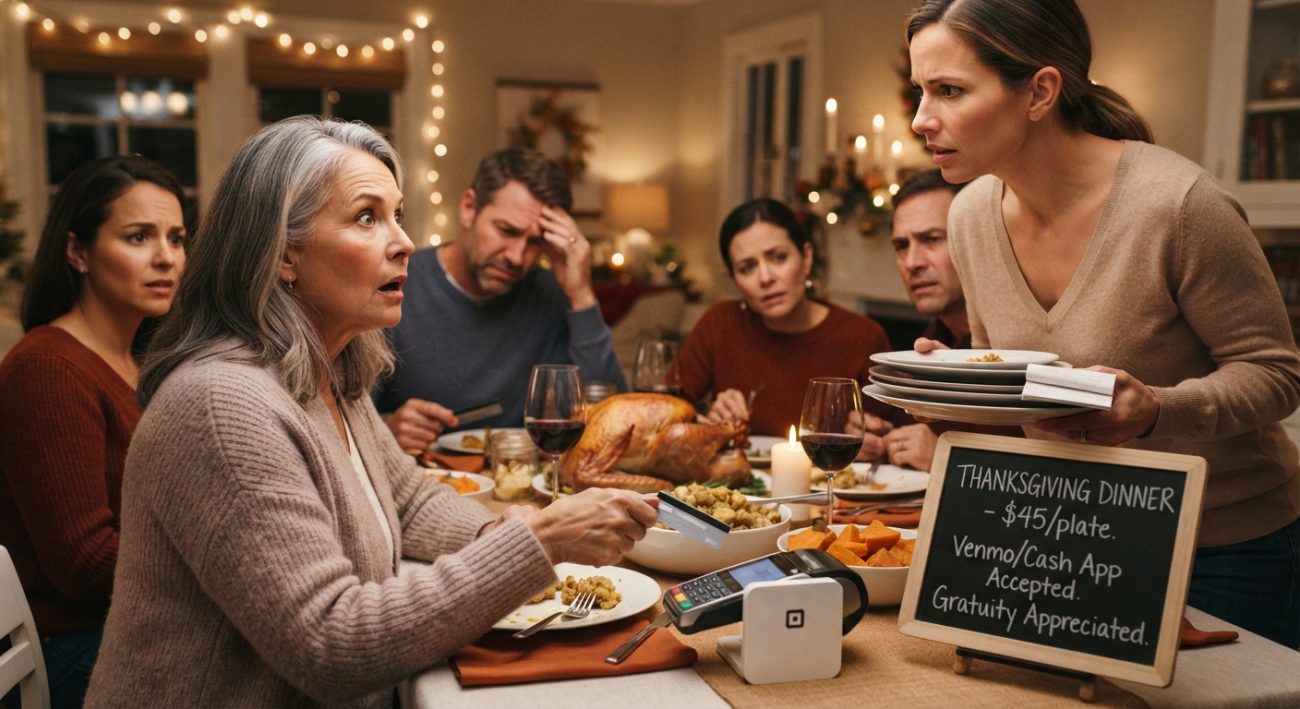
At our next family gathering, the atmosphere felt different. Brittany had prepared dinner, and she asked everyone ahead of time whether they wanted to contribute a dish. This time, the requests were clear and reasonable. Ron and Debbie brought a salad and a dessert. Kyle handled the drinks, and Brittany prepared the main meal. I brought a small dish of homemade noodles because I wanted to share something familiar with everyone. Nobody handed me an index card or announced a price when I sat down. Instead, Brittany thanked me for bringing the noodles and asked how I had made them. I showed her the simple method my mother had taught me years earlier. The grandchildren gathered around and asked for more. It was a small moment, but it reminded me why I had enjoyed cooking for the family in the first place. I wanted to share something I loved, not fulfill an obligation that someone else had assigned to me. After dinner, Ron thanked me for the noodles, and Debbie said she wanted the recipe. Kyle helped clear the table without being asked. Brittany brought out dessert and made sure everyone had a slice. I looked around and realized that the family was beginning to behave more like a family again. It wasn’t perfect, and I didn’t expect every disagreement to disappear. But there was a greater sense of mutual effort. Everyone was contributing something, and nobody seemed to believe that one person should carry the entire burden.
I also noticed that I had changed. Before the Thanksgiving incident, I would often agree to things without thinking carefully about how they affected me. If someone asked for help, I immediately tried to find a way to say yes. I worried that refusing would make me seem selfish or difficult. I had spent years believing that a mother’s love should be measured by how much she was willing to sacrifice. But I had learned that sacrifice without limits could become an expectation. I didn’t regret helping Kyle when he needed it. I didn’t regret paying for the grandchildren’s phone lines. Those were choices I made out of love, and I still felt good about them. What I regretted was allowing an arrangement to continue without checking whether it was still reasonable. I had also learned that I needed to communicate more clearly. If I wanted to help someone, I could explain what I was offering and how long I could provide it. If I wasn’t comfortable paying for something, I could say so without making excuses. I didn’t have to wait until I was hurt or frustrated before speaking up. Those lessons made me feel stronger, not harder. I still wanted to be generous. I still wanted to prepare meals and celebrate holidays with my family. I simply wanted my kindness to be respected rather than assumed.
One evening, I sat at my kitchen table and opened the drawer where I kept important papers. The Thanksgiving receipt was still there, folded neatly beside a few old bills. I took it out and read the amount one more time. Forty-five dollars. On its own, the number was insignificant. It could have paid for a few groceries or a meal at a restaurant. But that little piece of paper represented something much bigger. It reminded me of the moment I realized that the family had accepted my financial help without understanding what it meant to me. It reminded me of the silence at the table when I looked toward my son and waited for him to speak. Most of all, it reminded me that I had the right to change an arrangement that no longer felt fair. I had kept the receipt because I wanted to remember how easily generosity could be taken for granted when nobody talked about it. I didn’t keep it to punish Brittany or Kyle. I kept it as a reminder to myself. If I ever began feeling pressured to pay for something simply to avoid disappointing someone, I could look at that little card and remember what happened. Love did not require me to ignore my own needs. Being a mother did not mean I had to become the family’s permanent financial safety net.
I placed the receipt back in the drawer and closed it. Then I looked around my kitchen. The room was quiet, but it no longer felt lonely. I had spent thirty-one years working at Kroger, preparing food for customers and helping people find what they needed. I had spent decades cooking for my husband and son, and years making sure the grandchildren had everything I could provide. I was proud of those years. I didn’t want to become someone who counted every favor or refused to help anyone. But I also didn’t want to spend the rest of my life believing that love meant paying every bill that landed in front of me. My retirement years were valuable, and I deserved to enjoy them. I deserved to spend money on my own home, hobbies, and future. I deserved to be invited to dinner without wondering whether there would be a charge waiting beside my plate. I deserved to sit at the family table as a mother and grandmother, not as a customer whose presence came with a price. I knew there might be disagreements again. Families were complicated, and people didn’t always understand one another immediately. But I was no longer afraid to speak honestly when something felt wrong. I could be kind without being silent. I could be helpful without being responsible for everyone.
The next Thanksgiving, I started preparing my noodles and pies a few days before the holiday. I didn’t make as much as I had in previous years because I wanted to enjoy the cooking rather than exhaust myself. Kyle called to ask what I planned to bring, and I told him I would make the noodles and one pie. He thanked me and said Brittany was handling the rest. When I arrived, the family welcomed me warmly. There were dishes on the table from several people, and everyone had contributed in some way. Ron and Debbie had brought their own food, and nobody expected me to cover their expenses. Before dinner, Brittany came over and gave me a hug. She thanked me for coming and said she was glad we were all together. I smiled and told her I was glad too. We sat down, shared the meal, and talked about the grandchildren’s plans for the coming year. I didn’t think about the old index card until much later, when I was driving home. Then I remembered the words she had written: “Everybody pays their fair share now, Mom.” I smiled to myself because I had finally learned what those words should have meant. Fairness was not about charging one person while quietly accepting help from another. It was about recognizing everyone’s contributions and treating people with respect. I had been generous for years, and I still intended to be. But I would never again confuse generosity with accepting disrespect, even from family.
