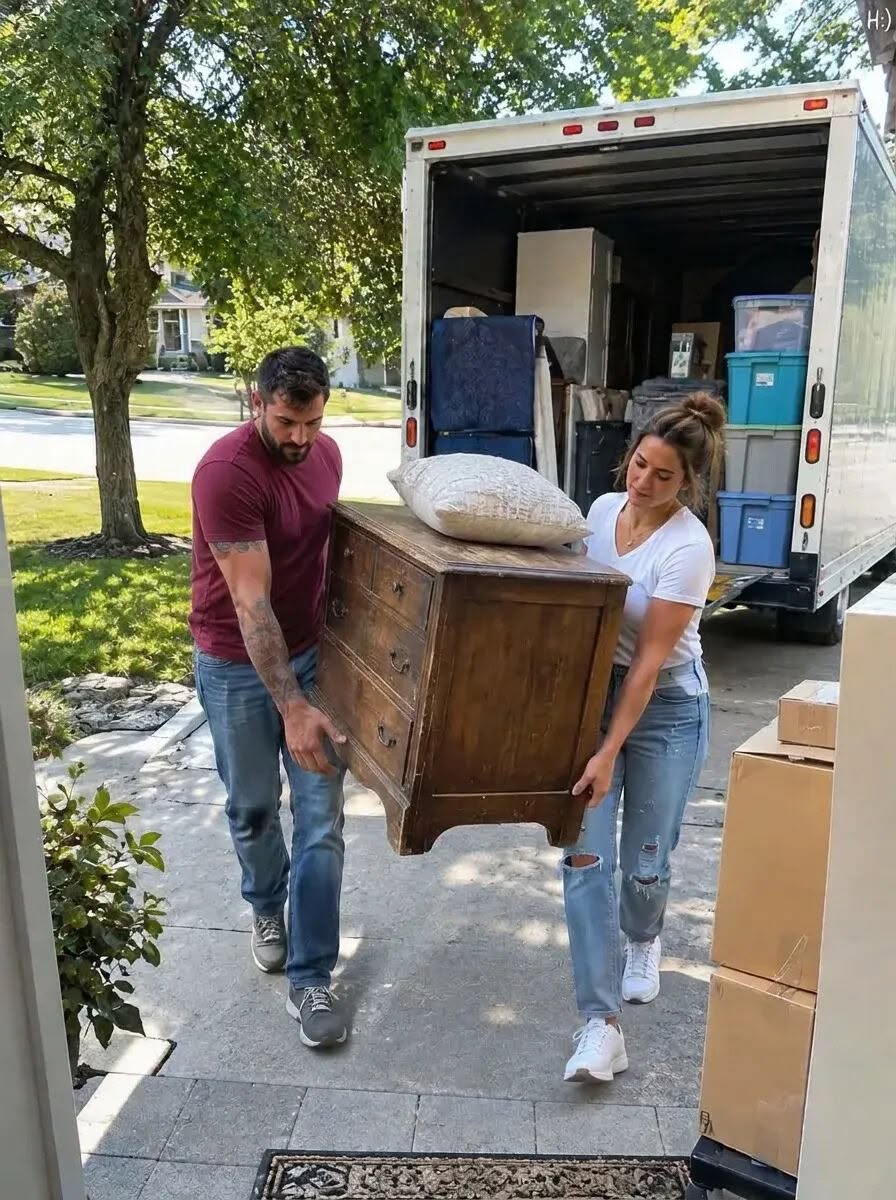
Four months after the incident, the case finally reached a significant turning point. Mark’s attorney contacted Patricia to discuss a possible resolution. At first, I assumed he wanted to negotiate a financial settlement, but Patricia explained that the discussions concerned the criminal allegations and the evidence gathered during the investigation. The digital records, security footage, financial documents, and witness statements had created a substantial case against him. Mark was no longer able to maintain that the occupancy agreement represented a genuine arrangement between former spouses. The investigators had identified the document’s creation history and recovered communications discussing how it would be used. The evidence also established that he had knowingly entered the property using a code obtained without my permission. After several meetings between the attorneys and prosecutors, Mark eventually agreed to plead guilty to forgery-related conduct and criminal trespass under the applicable charges. The agreement required him to accept responsibility for his actions and comply with a protective order. He also agreed that he had no ownership or occupancy rights in my property. When Patricia informed me, I didn’t feel the overwhelming happiness I had expected. Instead, I felt exhausted. For months, I had been forced to defend something that should never have been questioned. Still, knowing that the case was moving toward a conclusion brought a sense of relief.
The hearing took place on a cold morning in early spring. I arrived with Patricia and sat quietly while the prosecutor summarized the events. The court heard how Mark had located my property through public records, obtained access information through Greg, arranged the moving truck, and presented an agreement containing a signature I had never provided. The prosecutor also described the recovered digital communications and the efforts to make the document appear legitimate. Vanessa’s involvement was addressed separately because of her role in the notarization. Her claim that she had trusted Mark’s explanation was considered alongside the evidence showing that she had applied the stamp without witnessing my signature. The judge asked Mark whether he understood the consequences of his plea and whether he accepted responsibility for the conduct described. Mark answered quietly. He no longer displayed the confidence I had seen on the security footage. His shoulders were lowered, and he avoided looking in my direction. When the judge invited me to make a statement, Patricia reminded me that I could explain how the incident had affected my life without turning the hearing into an argument about our marriage. I stood, took a breath, and described the fear I had experienced when I watched strangers enter the house I had purchased with my own money. I explained that the property represented a fresh beginning after twenty-seven years of a relationship in which my decisions had rarely been respected.
I also told the court that the most disturbing part had not been the furniture or the unexpected presence of Mark and Vanessa. It had been the discovery that people I trusted had secretly shared information that allowed someone to enter my home. I had deliberately kept the address private because I wanted to feel safe. Instead, my former husband had used stolen access information and fabricated paperwork to make me question whether I truly had control over my own property. I explained that I had spent years learning to trust my judgment again after the divorce. The incident had brought back many of the feelings I thought I had left behind. For several weeks, I had struggled to sleep, repeatedly checking the security cameras and listening for unfamiliar vehicles outside. Even after the locks were changed, I sometimes woke during the night believing I had heard the side entrance open. I told the judge that I wanted the protective order enforced because I needed to know that Mark could not simply return whenever he decided he wanted something. The judge listened and then addressed Mark directly. He reminded him that the ownership dispute had already been resolved through the divorce proceedings and that personal dissatisfaction with a settlement did not give him the right to take control of another person’s home. The court imposed the agreed consequences, including probation, a financial penalty, and restrictions on approaching my property.
The protective order required Mark to remain at least five hundred feet away from my home and prohibited him from contacting me directly outside legally permitted channels. He was also required to comply with the conditions of his probation. Vanessa faced consequences related to her participation in the improper notarization, and her notary commission was revoked by the relevant Ohio authorities. The court’s decision didn’t erase what had happened, but it established something important: the property belonged to me, and Mark had no legal right to occupy it. After the hearing, I walked outside with Patricia and stood near the courthouse steps for several minutes. I expected to feel victorious, but instead I felt an enormous weight lifting from my shoulders. Patricia asked whether I wanted to celebrate with lunch. I smiled and told her I wanted to go home. I wanted to sit in my own living room, look at the walls, and remember that I had finally regained control of the place I had worked so hard to purchase. On the drive back to Granville, I thought about the woman I had been during the final years of my marriage. She would have spent hours worrying about how Mark might react, whether he would become angry, and whether defending herself would create even more problems. The woman I was becoming understood that protecting herself wasn’t selfish. It was necessary.
My relationship with Lynn remained uncertain for some time. Six weeks passed before I agreed to meet her for coffee. She told me that she and Greg had separated after the investigation. According to Lynn, she had discovered that he had minimized his involvement and repeatedly blamed Mark for everything that had happened. She eventually realized that Greg had made his own decisions and had knowingly participated in something that threatened my security. She said she regretted not warning me and understood why I had needed distance. I told her that I still cared about the years of friendship we had shared, but trust couldn’t simply return because someone apologized. She agreed. We decided to take things slowly, without pretending that everything was back to normal. I didn’t want to spend the rest of my life assuming that everyone would betray me, but I also didn’t intend to ignore warning signs simply to avoid uncomfortable conversations. The experience had taught me that boundaries mattered, even with people I loved. I could forgive someone eventually without giving them the same access to my life. As the months passed, I stopped checking my security cameras every few minutes. I kept the new locks and keypad system, but I no longer felt compelled to monitor every vehicle that passed the property. The protective order remained in place, and I had a clear legal process to follow if Mark ever violated it. For the first time since the incident, I began to feel genuinely comfortable in my surroundings.
