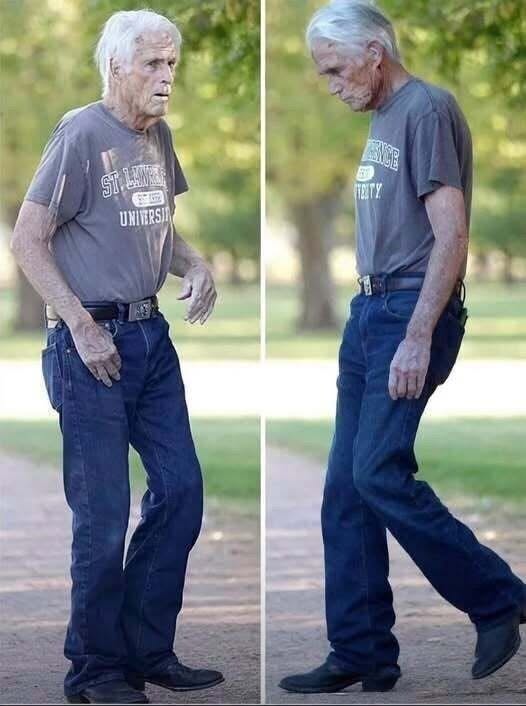
The older actor portrayed the father of a character who became romantically involved with Rachel Green in the popular sitcom Friends. His guest appearance added another recognizable family connection to a series already filled with memorable characters, unexpected relationships, and guest performers. Throughout its run, the show welcomed actors who appeared for individual episodes or short storylines, sometimes leaving a lasting impression despite limited screen time. The actor’s role became part of that television history. Viewers who remember the episode may associate him with the character he portrayed, while others may have discovered his connection to the series only after revisiting the story years later. For the family, however, the appearance carried an additional layer of meaning because his son was also connected to the production.
The role placed the older actor inside a storyline that audiences already knew and enjoyed. Rachel Green was one of the central characters of Friends, and her relationships often created some of the show’s most recognizable moments. The people who entered her life helped shape individual episodes and introduced new situations for the main characters. Guest performers played an important part in giving the series variety, allowing the story to explore different personalities and family relationships. The older actor’s appearance was part of that tradition. He brought his experience to the role and contributed to a television moment that viewers could continue enjoying long after the original broadcast. Yet behind the scenes, the experience also had a personal dimension that was separate from the storyline itself.
For the son, being connected to the same production as his father created an unusual opportunity. Many people grow up watching their parents work in a particular profession, but relatively few get to share that environment directly. The entertainment industry can be especially difficult to experience as a family because filming schedules, auditions, and professional commitments often take place far from home. Sharing a television production can create memories that are different from those made during ordinary family activities. It offers a chance to see one another working, understand the demands of the profession, and experience the excitement of being part of a production together. Their connection to Friends therefore became more than a small detail in the show’s history. It became part of their personal family story.
For fans, discovering that a television performer was related to another actor can change the way an old episode is remembered. A scene that once seemed like a simple exchange between characters can take on a more personal meaning when viewers understand the relationship behind it. It encourages people to look at the production from another perspective and imagine what the experience might have been like for the people involved. In this case, the shared television connection gave the father and son a memory that belonged to them, even though the program itself was watched by audiences around the world. Their private relationship was not created by the show, but the production became one more place where their connection could be experienced.
Years later, the episode remains part of the entertainment history associated with the family. Television programs can preserve performances long after the people involved have moved on to other projects or passed away. A recording allows audiences to revisit a moment, hear a familiar voice, and remember the character who appeared on screen. But the meaning of that recording can change with time. What once seemed like an ordinary guest appearance may become a treasured reminder of a relationship that can no longer be experienced in the same way. For those who remember the son, the episode offers a connection to his public life. For those who knew the family story, it also represents a moment when father and son shared something special in front of the cameras.
